Cordoba

April 16th to 17th 2026

Published

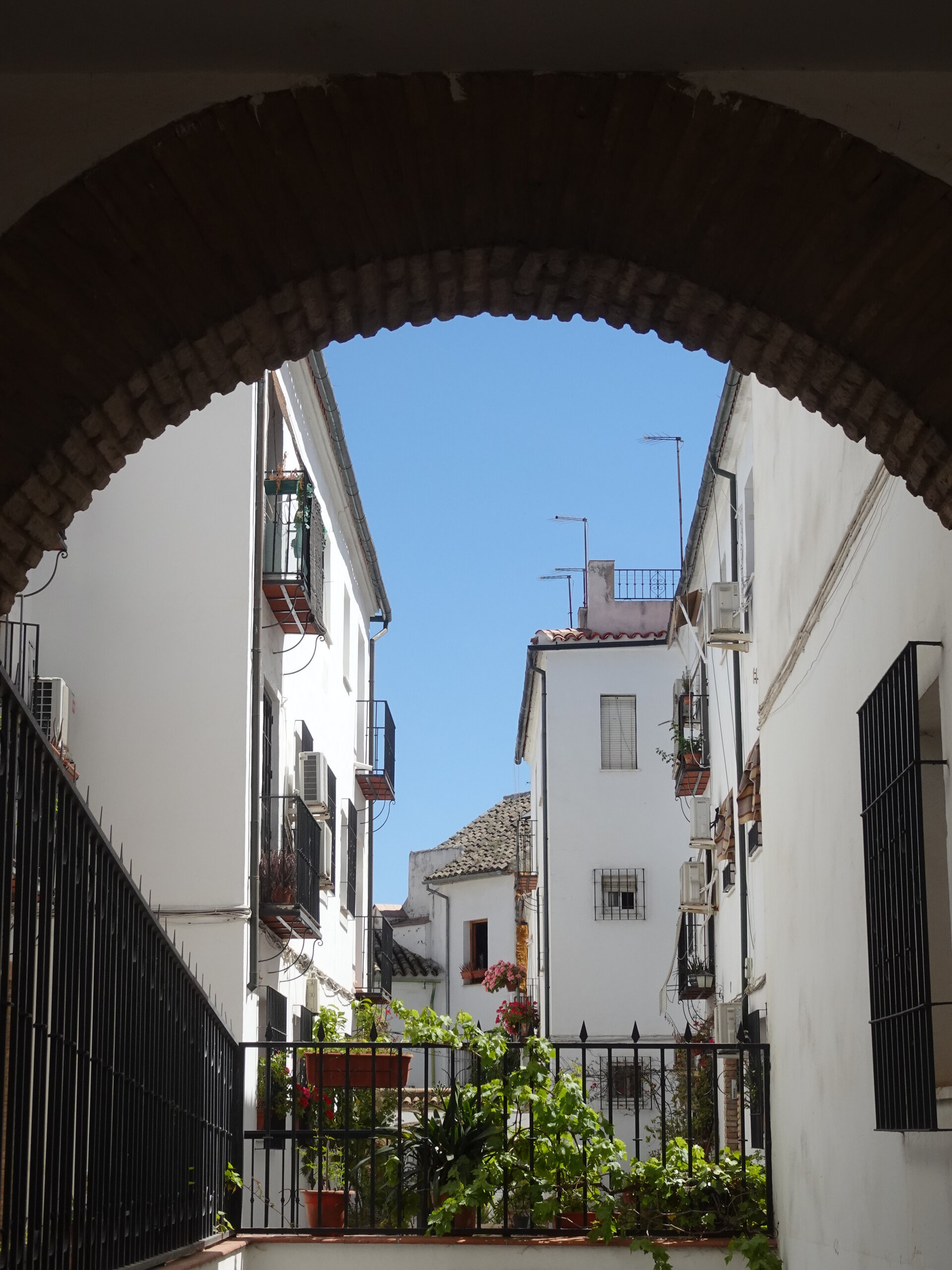
View through a brick archway into a sunlit alley of white houses with iron balconies
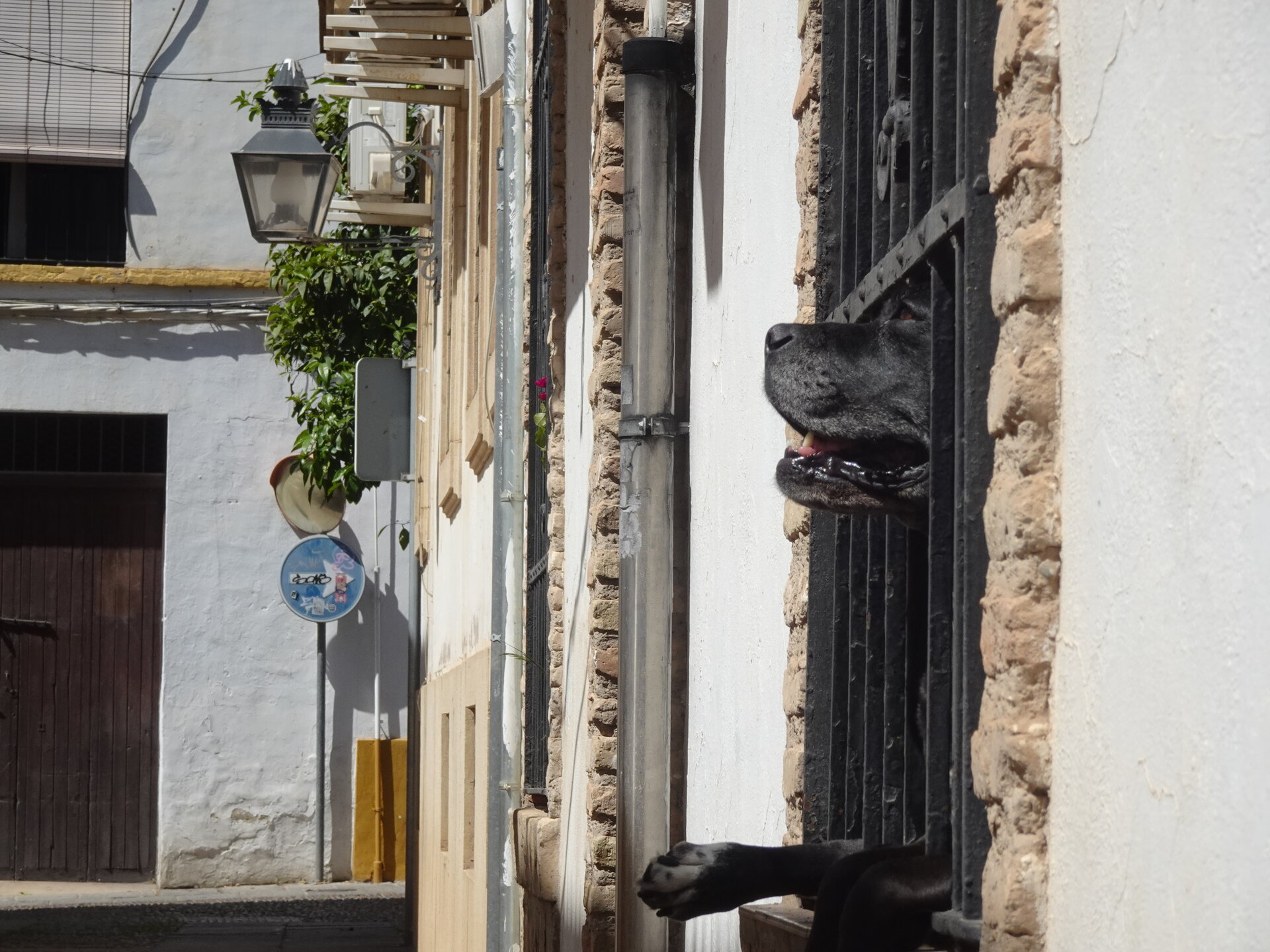
Black dog poking its nose through window bars on a narrow whitewashed street
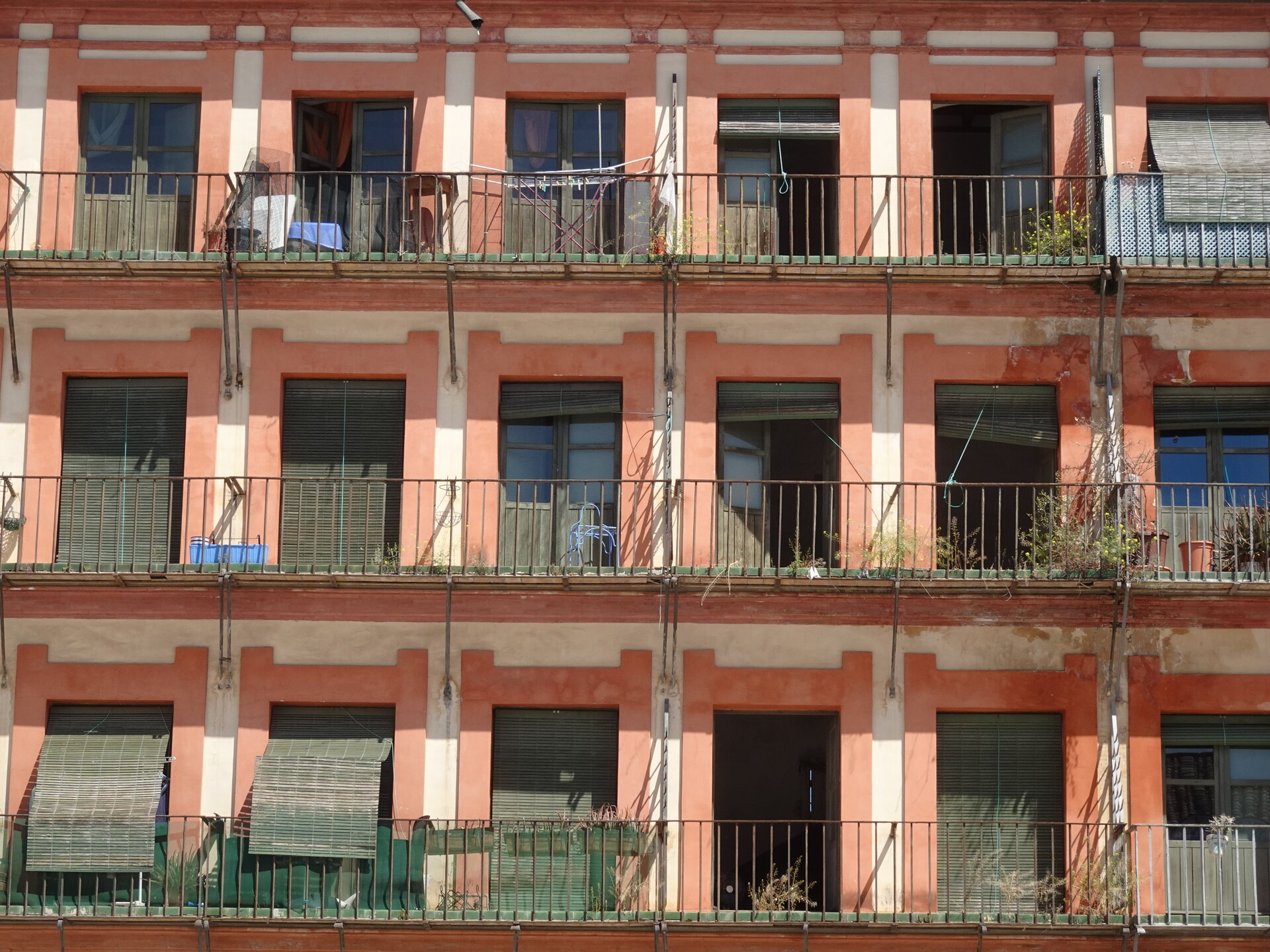
Repeating red and orange facade of stacked balconies in Plaza de la Corredera
Plaza de la Corredera
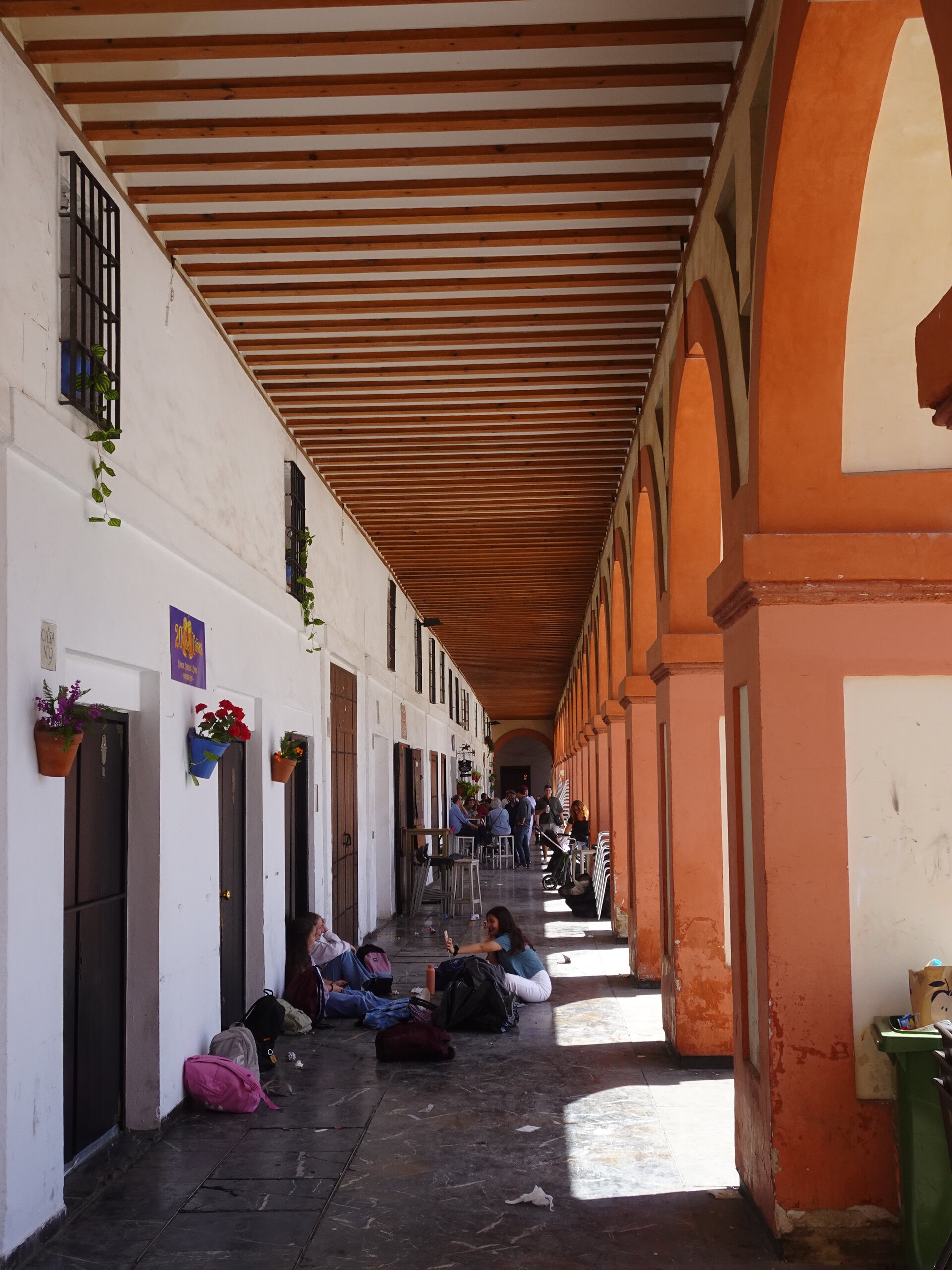
Long arcaded loggia with red columns and people resting in the shade
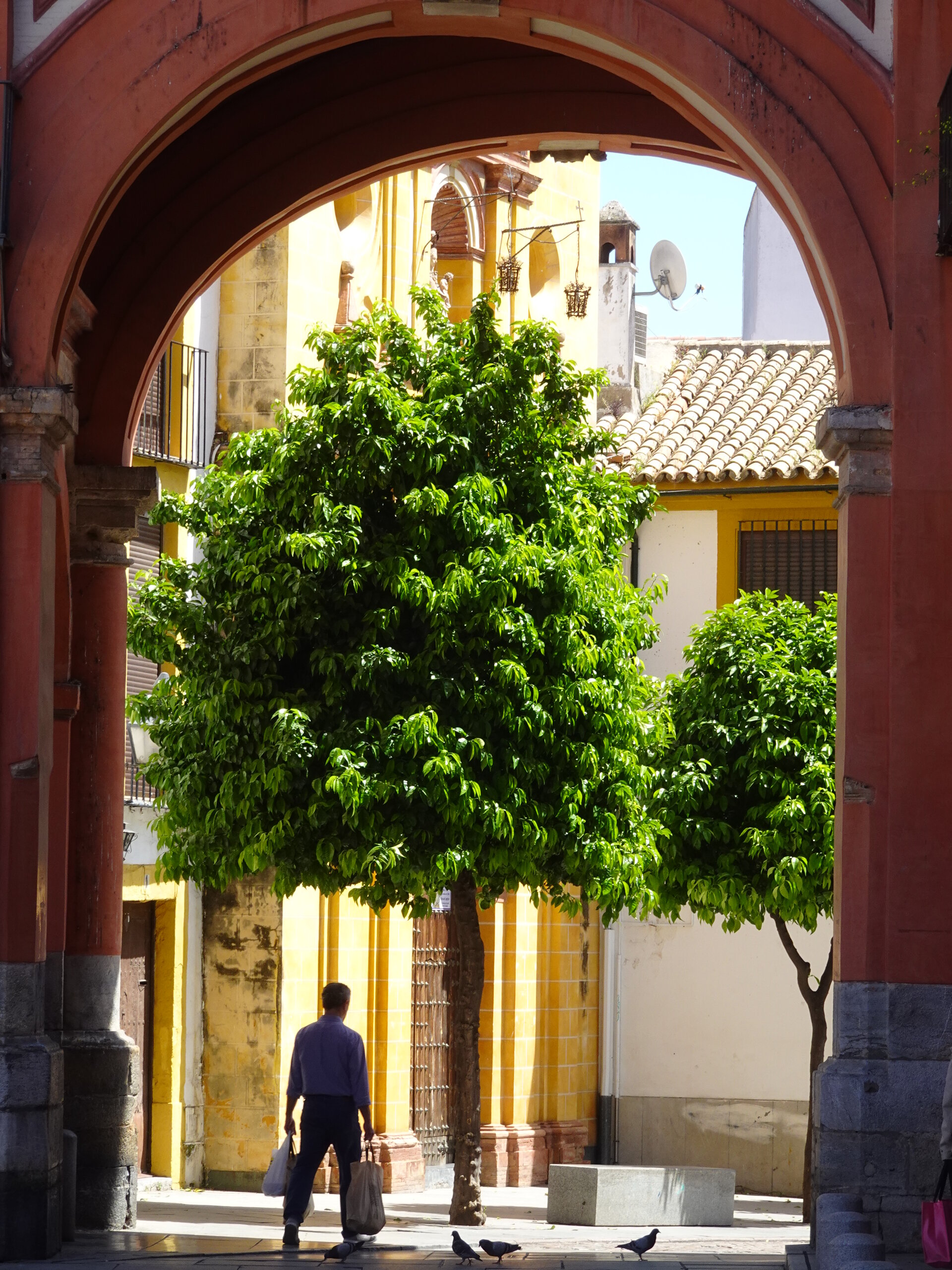
Orange tree framed by a red arch with an ochre church facade beyond
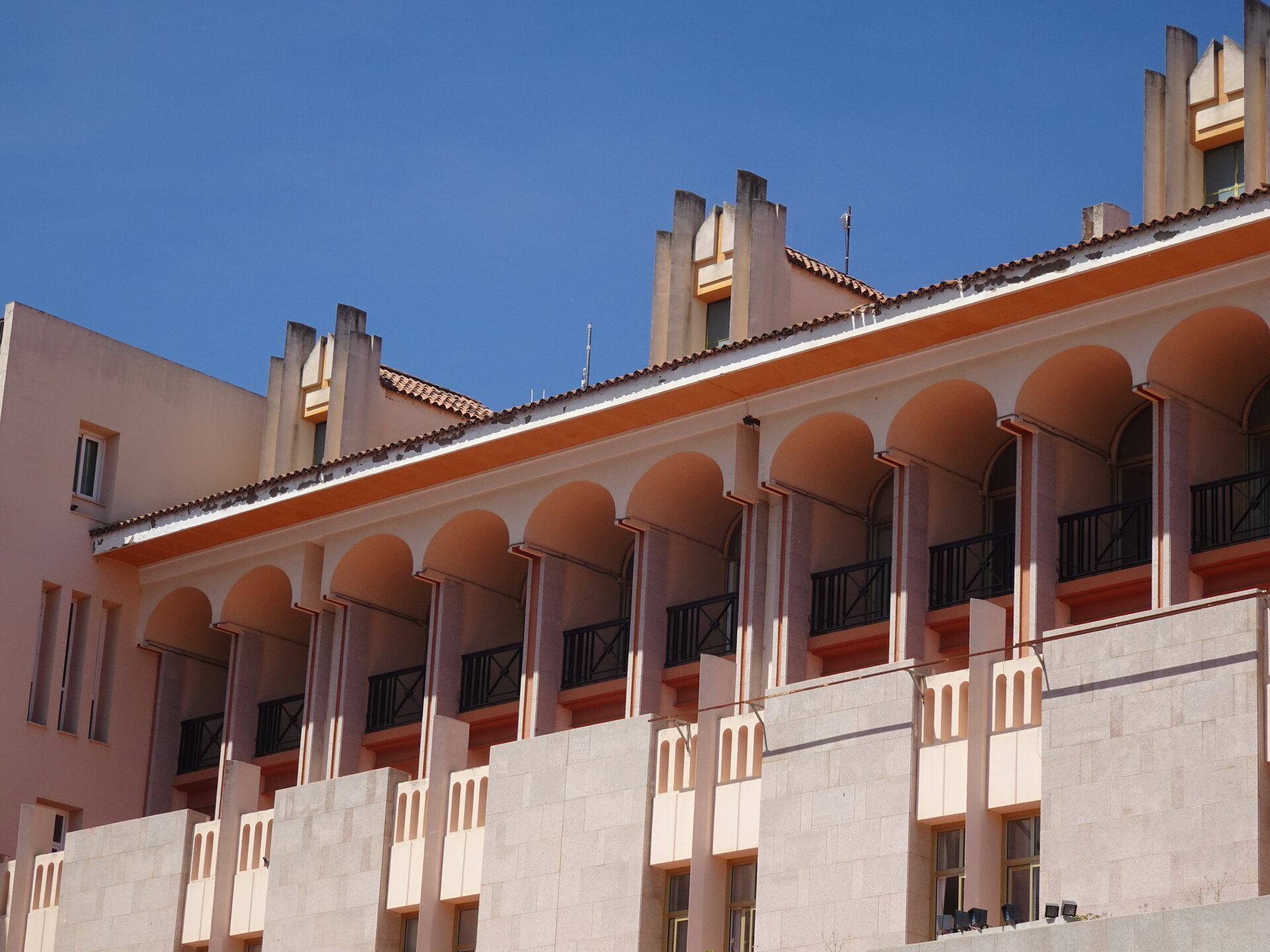
Pink Andalusian building with arched colonnade and crenellated parapet
Ayuntamiento de Cordoba (City Hall)
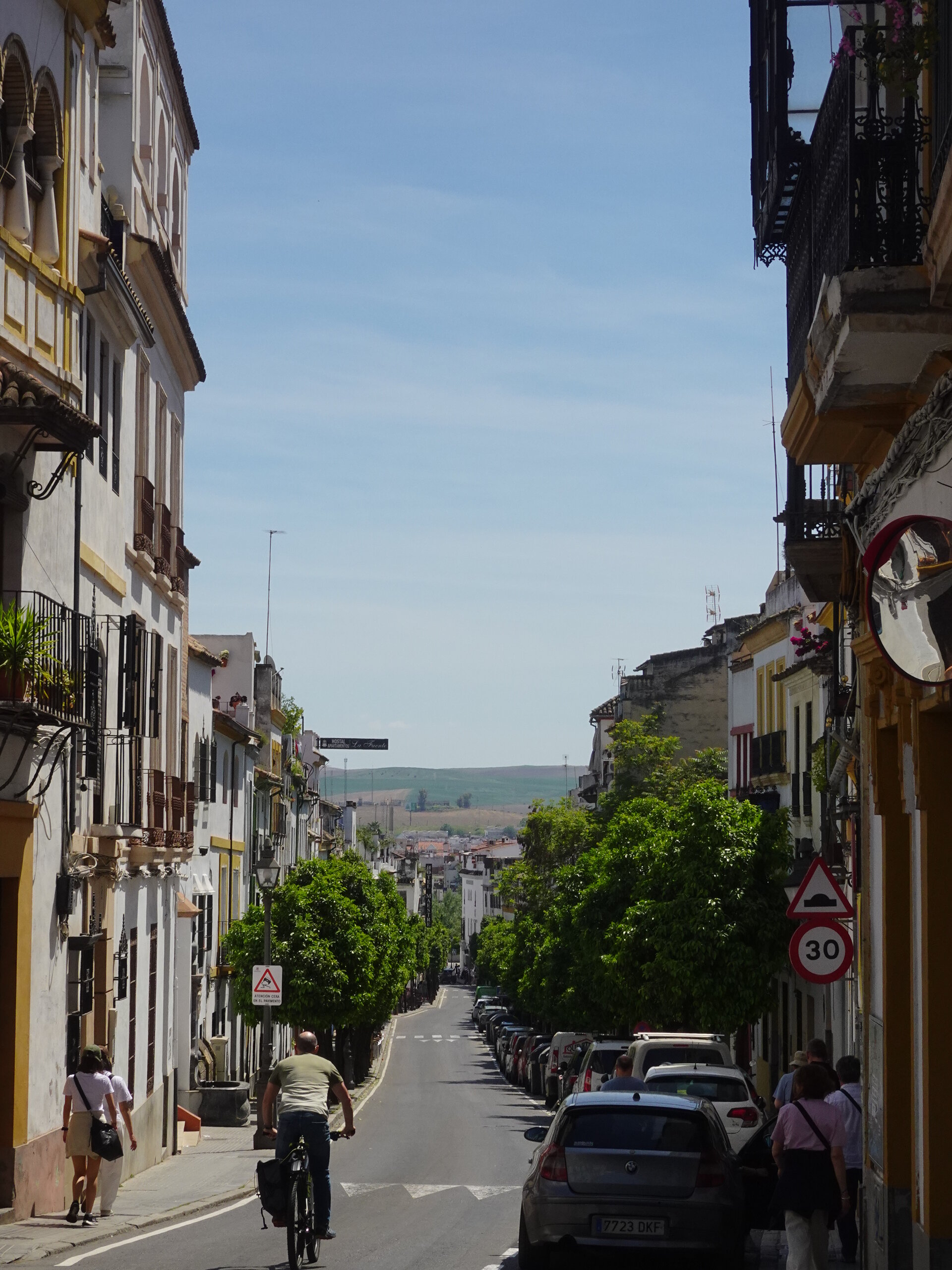
Long city street dropping toward distant countryside with a cyclist riding away
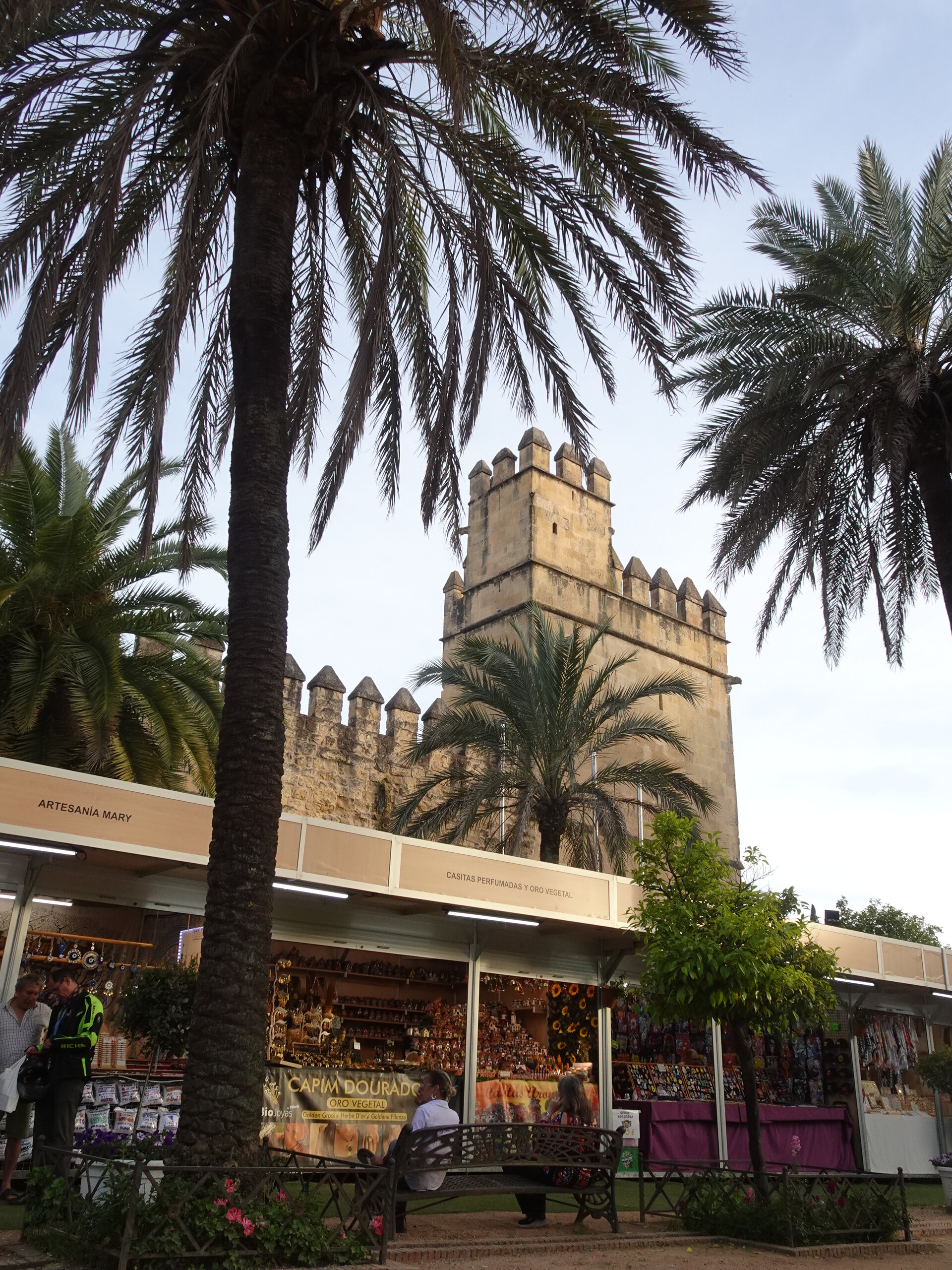
Crenellated fortress tower framed by palm trees above a row of market stalls
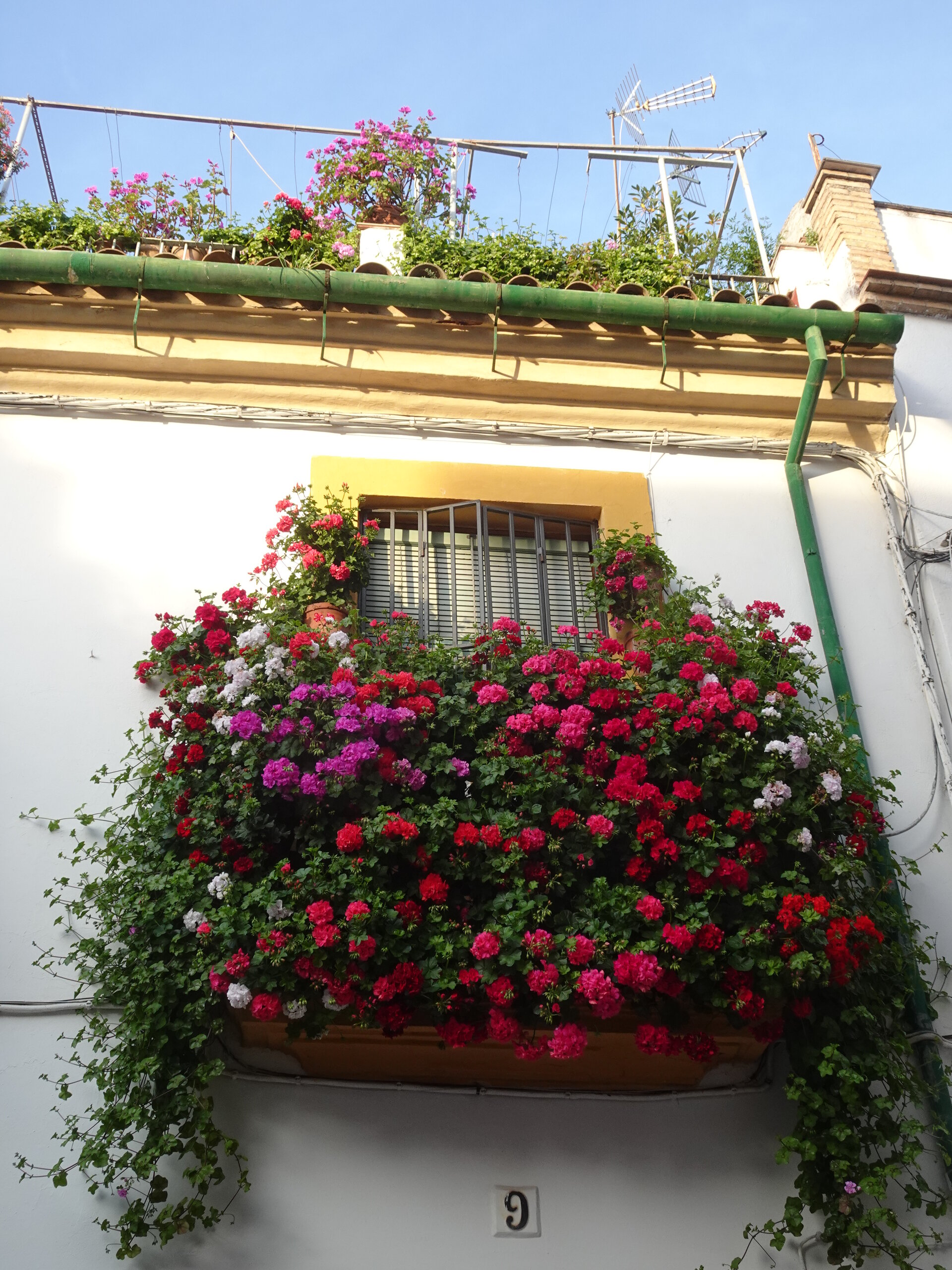
Whitewashed wall with a window framed by red and pink geraniums in pots
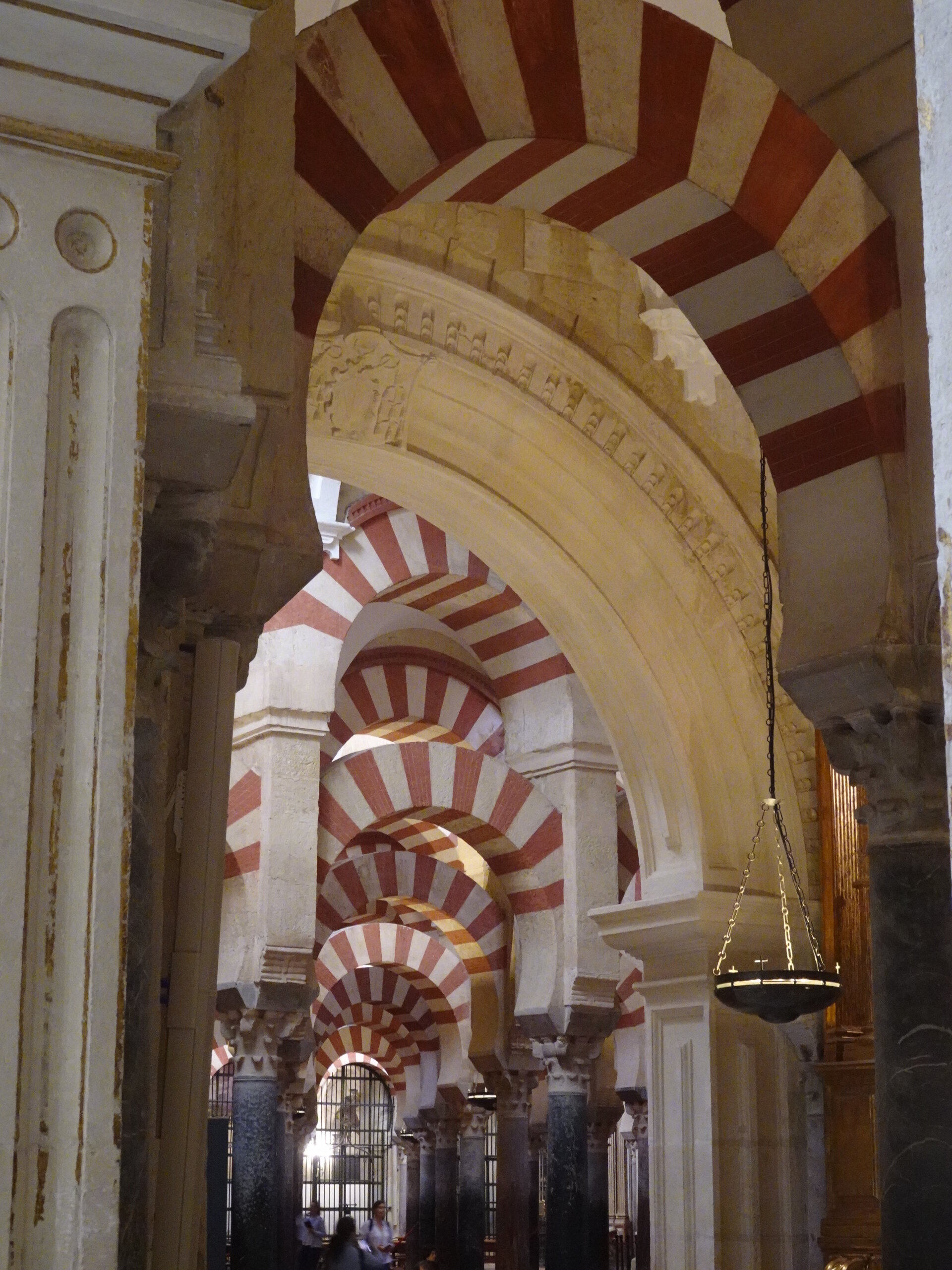
Iconic red and white striped horseshoe arches inside the Mezquita-Cathedral
The famous Mezquita-Cathedral was built under Abd al-Rahman I, one of the few surviving members of the Umayyad dynasty after the Abbasid Revolution. Sheltered by Amazigh tribesmen during his flight across North Africa, he escaped to Muslim Iberia and founded the Emirate of Córdoba, which later became the Caliphate of Córdoba — under which the city grew to be the second largest in Europe.
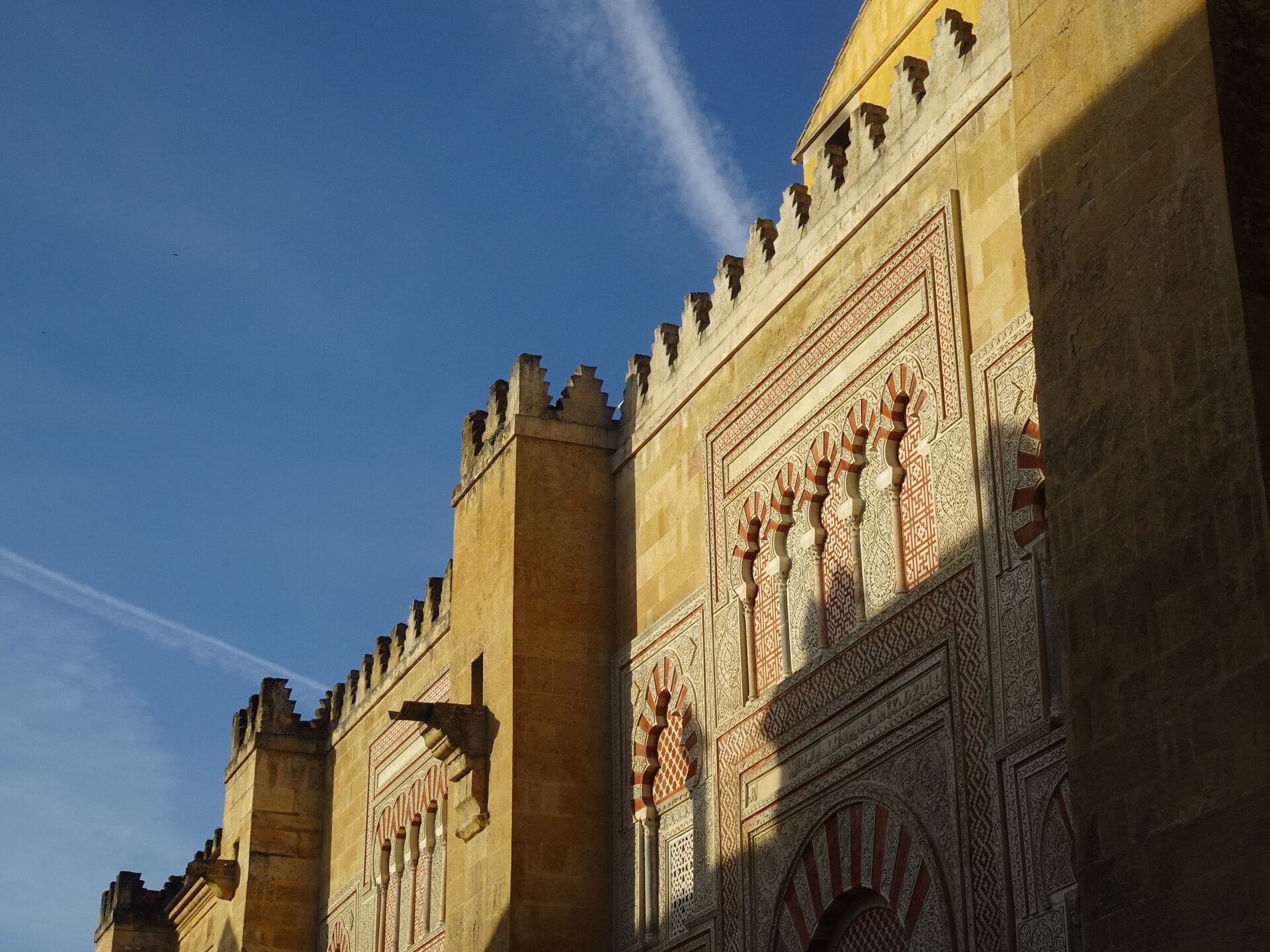
Exterior wall of the Mezquita with intricate horseshoe arch carving against blue sky
A remarkably tolerant society for its age, where Muslims, Christians, and Jews lived and worked alongside one another. It was through this melting pot that the works of the Greek philosophers such as Aristotle, Plato, and Archimedes were reintroduced to European thought — having been translated from Greek into Arabic in Baghdad, and from Arabic into Latin in Iberia.